|
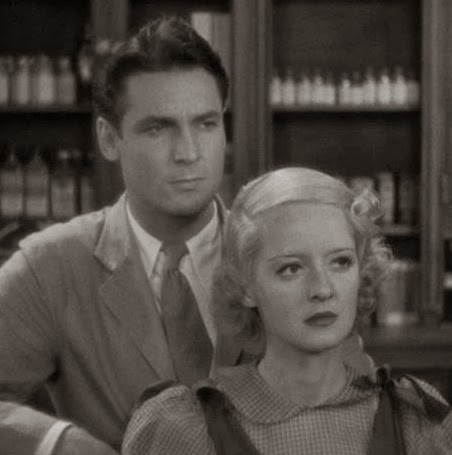
| William Powell prepares to question the suspects |
THE THIN MAN (1934). Director: W. S. Van Dyke.
Nick Charles (William Powell) retired as a detective when his wife, Nora (Myrna Loy), inherited a fortune from her father. On a trip back to New York, Nick discovers he can't stay away from sleuthing when several people he knows are embroiled in murder. Dorothy Wynant (Maureen O'Sullivan) is worried when her father, Clyde (Edward Ellis), disappears, and things get more complicated when Clyde's mistress, Julia (Natalie Moorhead of
The Curtain Falls) is found murdered. More deaths follow as the suspects pile up: Wynant's ex-wife Mimi (Minna Gombell of
Babbitt); his weird son, Gilbert (William Henry of
Nearly Eighteen); his lawyer, MacCauley (Porter Hall); Mimi's gigolo and second husband, Chris (Cesar Romero); and several other nefarious types. Nick gathers all of the sus
pects (he pronounces the word with the accent on the second syllable, which is kind of charming in an old-fashioned way) at a dinner party he hosts with an utterly baffled Nora.
The Thin Man has good performances from all -- Gertrude Short is snappy in a small role as the shrewish girlfriend of a dead hood -- but one could argue that there's more silliness than humor and it often gets in the way of the not-very-memorable story, although it does manage to build up minor interest and suspense as it goes along. Nobody who watches this will especially care who the killer is. Powell does his usual suave shtick with aplomb; Loy is fine if typically arch; and the little dog Asta almost runs off with the show. There were five sequels to this popular film, most of which, if memory serves me, were superior to this first entry. The title refers to the vanished Wynant, described by police and papers as a "thin man with white hair." Nick, rarely without a drink in his hand, seems half-inebriated throughout the movie. Nat Pendleton is the detective on the case, and Henry Wadsworth is Dorothy's fiance, Tommy.
Verdict: Too self-consciously "cute" by half but not without its moments. **1/2.